
You may have heard how “holistic coaching” is being used in youth sport today, a few parents have sent us messages asking if we could explain how we use that methodology so I thought I would do a quick post to explain.
Basically a holistic approach to tennis focuses on developing not only a players’ technical, tactical, physical aspects of the game but also addresses mental, emotional, and social aspects.
This comprehensive approach also promotes teamwork, sportsmanship, and effective communication. Beyond the court, we talk about healthy habits, nutrition, and rest, supporting overall well-being, personal growth including your studies. By nurturing the whole person, holistic tennis coaching aims to create well-rounded individuals who excel in tennis and life, and are prepared to handle both various challenges and opportunities.
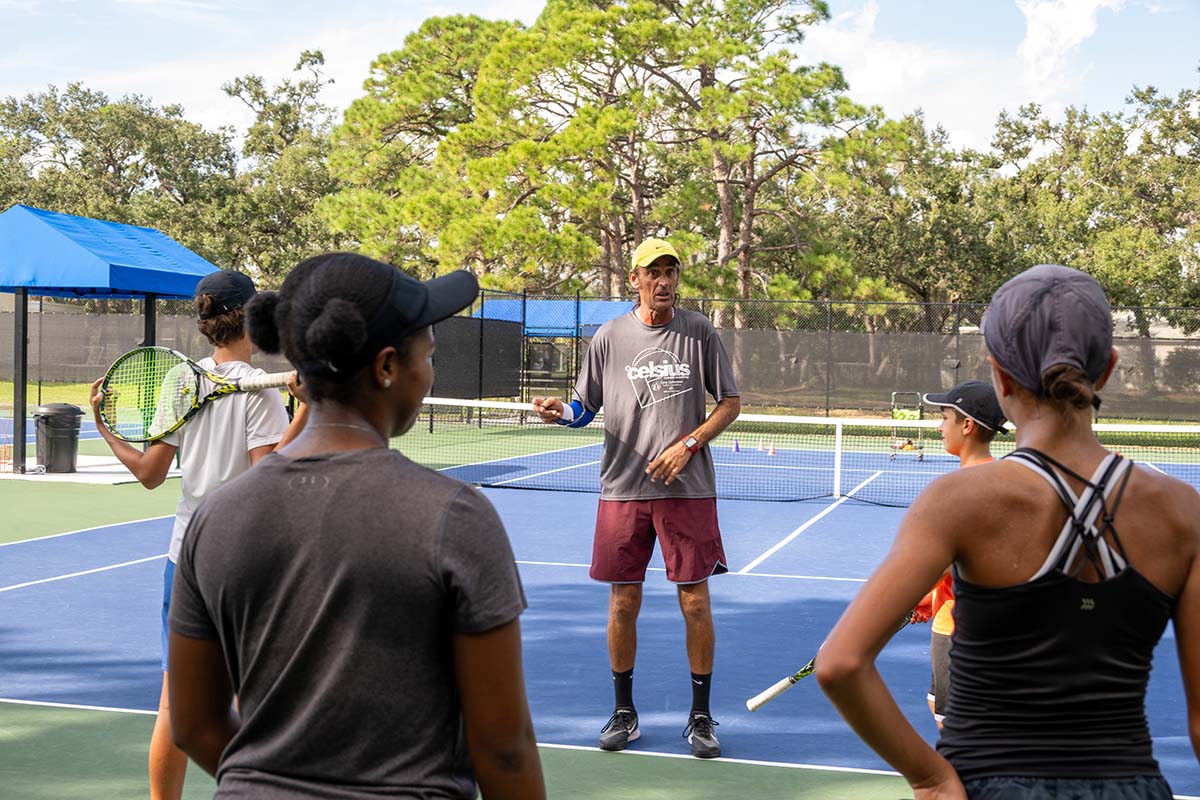
This isn’t something new for Celsius Tennis Academy, as our founder Cary Cohenour’s philosophy has always been to focus on the complete athlete and always placed the highest emphasis that success was measured both on and off the court.
A holistic approach recognizes that these elements are connected.
In short our approach includes:
1. Technical Development: Learning How to Play
Stroke mechanics remain a paramount part of our program. Good technique provides the foundation upon which everything else is built.
Can the player understand why and when to use those skills?
Technical development is therefore connected to tactical awareness, decision-making and the ability to adapt to different opponents and situations.
The goal isn’t simply to teach players how to hit the ball. It is to teach them how to actually play tennis.
2. Strategic Thinking: Learning How to Solve Problems
Tennis is a constant problem-solving exercise.
Where is my opponent positioned? What shot should I play? What is working? What isn’t? Should I attack or defend? How do I adjust when my original plan isn’t working?
These decisions teach players to think independently and adapt to changing circumstances.
Those are valuable skills far beyond the tennis court.
A player who learns to calmly evaluate a situation, make a decision and adjust when necessary is developing a skill set that can serve them in school, work, relationships and everyday life.
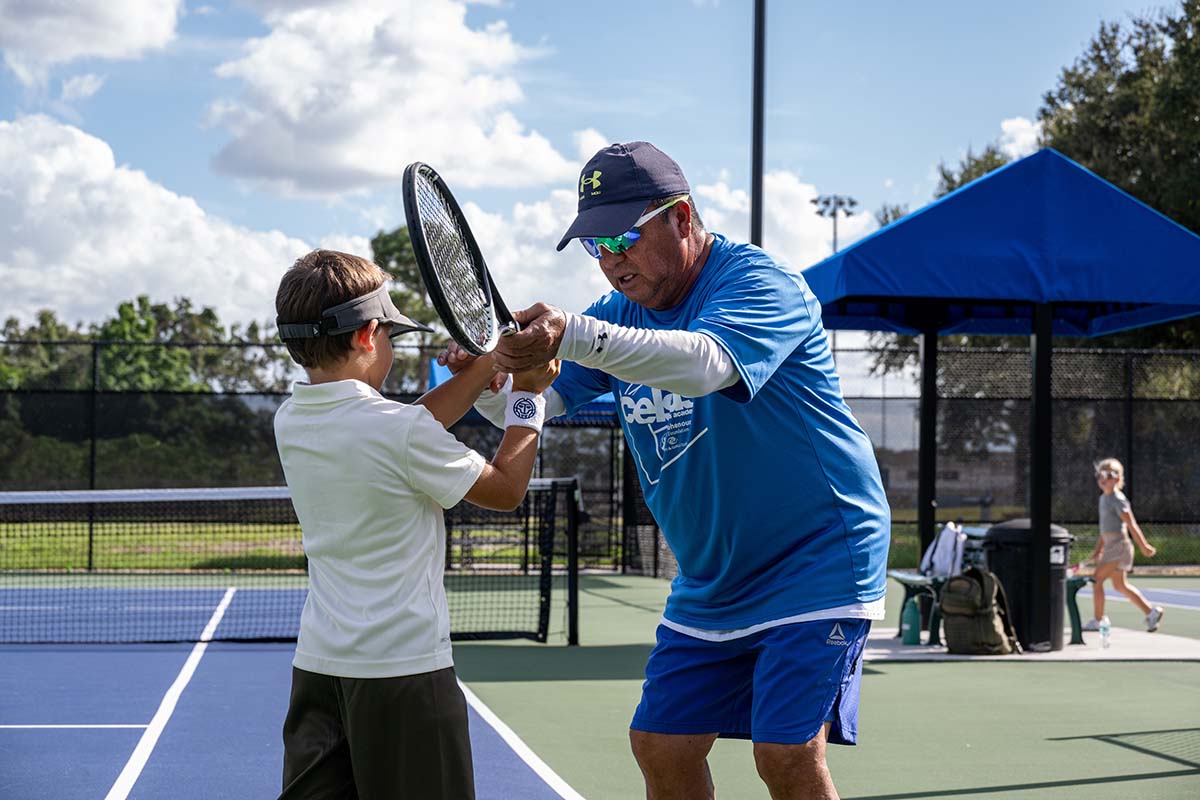
3. Physical Development & Conditioning
Tennis demands coordination, balance, speed, agility, strength and endurance.
A holistic approach therefore includes physical conditioning appropriate to the player’s age and level of development.
But it also teaches something broader:
Your body is part of your performance—and taking care of it matters.
Players can learn the importance of hydration, nutrition, sleep, recovery, mobility and healthy physical habits. These aren’t simply tools for becoming a better athlete. They are foundations for lifelong health.
4. Mental Toughness: Learning to Compete
Tennis can be challenging because there is nowhere to hide.
Players have to make decisions, deal with mistakes and continue competing even when things aren’t going their way.
Holistic coaching helps players develop the mental skills necessary to navigate those moments.
Focus. Concentration. Preparation. Patience. Confidence. Resilience.
5. Emotional Balance: Learning to Manage Yourself
One of the most valuable lessons tennis can teach is emotional regulation.
Tennis by nature is an emotional rollercoaster. Players learn that they cannot control everything that happens to them.
They can, however, learn to control how they respond.
This lesson has enormous value beyond tennis.
6. Teamwork and Communication: Learning to Work With Others
Celsius Tennis Academy is highly aware that tennis is by enlarge an individual sport, but players are never truly alone.
We pride ourselves in our team atmosphere where we learn from different coaches, practice partners, teammates and visiting competitors. Doubles introduces another important dimension: success depends on communication, trust and cooperation.
Players at Celsius learn to encourage one another, communicate effectively, respect different personalities and cultures and contribute to something larger than themselves.
These are fundamental life skills in the international tennis community as well as in life.
7. Sportsmanship and Character: Learning How to Compete With Respect
How we behave when we win tells us something about our character.
How we behave when we lose may tell us even more. Cary Cohenour always said “respect yourself and others both on and off the court the rest will follow.”
Holistic tennis places importance on respect—for opponents, coaches, teammates, officials and the game itself.
Our young athletes learn that competing hard and treating others with respect are not contradictory.
You can want to win without losing sight of who you are.
This principle was central to Cary Cohenour’s philosophy. His accomplishments included numerous competitive achievements, but his legacy was also recognized through sportsmanship honors and his impact as a coach and mentor and the successes that follow all his students as they move through life.
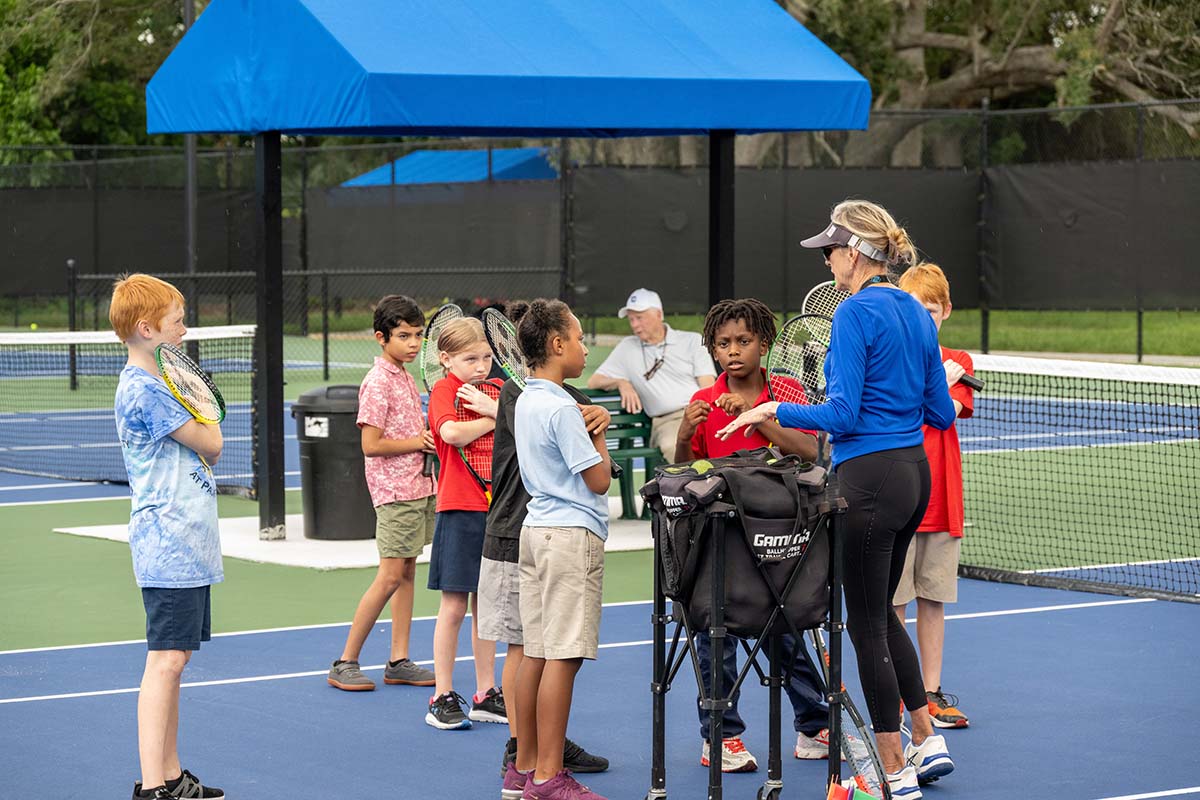
8. Healthy Habits: Preparing for Life, Not Just the Next Match
A holistic player learns that preparation doesn’t begin when they walk onto the court.
It begins with what they do before they arrive.
Are they getting enough sleep? Are they eating properly? Are they staying hydrated? Are they recovering? Are they balancing tennis with school, family, friends and other responsibilities?
Learning these habits early can help young athletes understand an important principle:
Performance is influenced by the choices we make when nobody is watching.
9. Personal Growth: Understanding That Success Is Bigger Than Winning
Perhaps the most important element of holistic tennis is redefining what success means.
Winning matters. Competition matters. Improvement matters.
But they are not the only measures of success?
A player who becomes more disciplined, confident, resilient, respectful and responsible is succeeding—even if the scoreboard doesn’t always go their way.
The goal is to help young people develop the ability to pursue excellence while maintaining perspective.
Tennis Is the Vehicle. Life Is the Goal.
A young player may come to the court wanting to learn a forehand.
Along the way, they may learn how to handle frustration.
They may learn how to communicate.
They may learn how to lose with grace and win with humility.
They may learn to set goals, work toward them and keep going when progress is slow.
They may learn how to take care of their body, manage their emotions and believe in themselves.
And eventually, they may discover that the lessons they learned through tennis have become part of who they are for the rest of their life.